Adding depth to your text makes it stand out on a screen or printed page. Shadow display font recommendations help you find typefaces that come with built-in dimension, saving you time on manual effects. Instead of layering multiple copies of a font in your design software, you can type directly and see the result. This approach works well for logos, social media graphics, and posters where bold statements matter.
What defines a shadow display typeface?
These fonts include pre-designed layers that mimic a drop shadow or 3D extrusion. Designers use them when they need immediate impact without spending hours adjusting blur and offset settings. The key is finding a balance between style and clarity. If the shadow is too heavy, the letters become hard to read. You can explore readable options for titles to ensure your audience understands the message instantly.
Some styles look retro, while others feel clean and modern. The right choice depends on your brand voice. A vintage shop might need a layered serif, while a tech startup might prefer a sleek sans-serif with subtle depth. Understanding the difference helps you match the font to the project goals.
Which specific fonts should you try?
Several options offer strong built-in effects suitable for various projects. Shadow Type provides a classic look with distinct layers that work well on light backgrounds. For a bolder statement, 3D Retro gives a vintage feel often used in concert posters or packaging. If you need something brighter, Neon Glow simulates light effects that pop against dark backgrounds.
It helps to see how these stack up against each other before downloading. You can compare different styles to see which weight and spacing fit your layout. Testing them in your actual design file is better than relying on preview images alone.
How do you maintain readability?
Depth should never sacrifice legibility. High contrast between the text and the background is essential. If you use a dark shadow, place it on a light surface. Avoid using these fonts for long paragraphs because the extra details strain the eyes. They are best reserved for headlines or short phrases.
Current trends favor cleaner edges over heavy blurs. You might find modern aesthetic choices that use hard edges instead of soft gradients. This keeps the text sharp on mobile devices where small details often get lost. For a standard comparison, you might look at a bold standard like Impact to see how plain boldness compares to styled depth.
What common errors ruin the effect?
Even good fonts can look bad if used incorrectly. Designers often make simple mistakes that reduce the quality of the final graphic. Watch out for these issues when applying shadow styles:
- Using low-resolution files that make the shadow edges look pixelated.
- Placing dark text on a dark background without enough separation.
- Scaling the font too small, which merges the shadow layers into a blur.
- Ignoring kerning, causing the shadowed letters to overlap awkwardly.
Next steps for your design
Selecting the right typeface is just the first part of the process. You need to test how it looks in your specific layout before finalizing the project. Follow this quick checklist to ensure quality results:
- Download the font file and install it on your system.
- Type your headline and check spacing between letters.
- View the design on both mobile and desktop screens.
- Verify the license allows for your intended commercial or personal use.
- Export a test image to check for rendering issues.
 A Guide to Free Shadow Fonts for Personal Projects
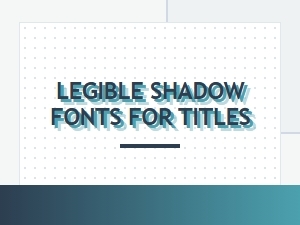 Legible Shadow Fonts for Eye-Catching Titles
 Free Fonts with Shadow Effects for Projects
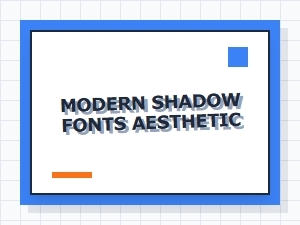 Free Modern Fonts with a Subtle Shadow Aesthetic
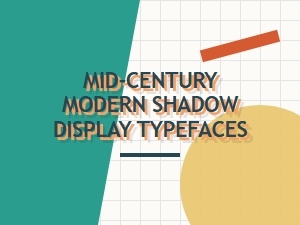 Mid-Century Modern Fonts for Evocative Shadow Displays
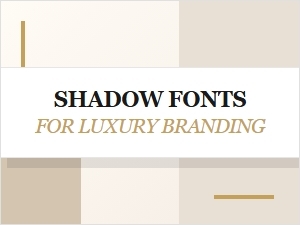 Shadow Fonts for Luxury Branding and Premium Use