Shadow fonts for luxury branding add depth to flat screens and printed materials. High-end brands use these typefaces to create a sense of physical presence without expensive embossing. When done correctly, the shadow effect suggests weight and exclusivity. It turns a simple logo into a tactile experience that customers associate with quality.
What makes shadow typography feel expensive?
Cheap shadows look like default software effects with blurry edges. Luxury shadows rely on subtle gradients or hard, clean edges that match the brand palette. The offset distance matters significantly. A soft, long shadow can feel modern and airy, while a hard drop shadow often recalls vintage signage. Consistency in the light source direction ensures the design feels intentional rather than accidental.
Where does layered text work best?
Product packaging benefits most from this style. A perfume box or spirit label needs to stand out on a crowded shelf. Using bold 3D styles for packaging helps the product name pop against matte backgrounds. Digital headers also use this technique to create hierarchy without adding extra graphical elements. The depth draws the eye immediately to the brand name.
Are retro styles suitable for modern luxury?
Yes, nostalgia sells effectively in the premium market. Many high-end coffee shops and boutiques use mid-century display faces to signal heritage and craftsmanship. The key is keeping the kerning tight and the colors muted. Gold or cream shadows on dark backgrounds often work better than bright primary colors. This approach balances old-school charm with contemporary minimalism.
What about neon or glowing effects?
Glow effects require caution because they can easily look tacky. For hospitality brands like bars or lounges, retro neon effects create an inviting atmosphere. Ensure the glow does not reduce readability on mobile devices. Test the design on multiple screens to confirm the light effect does not wash out the text.
What errors ruin the luxury feel?
Poor contrast is the main issue. If the shadow color is too close to the background, the text becomes illegible. Another mistake is using too many layers. Stick to one or two shadow offsets to maintain clarity. You can reference Shadow Font collections to see clean examples of proper layering. Avoid using multiple light sources, as this confuses the viewer and lowers perceived value.
How do you pair shadow type with other elements?
Keep surrounding graphics minimal to let the typography carry the weight. Use high-quality textures like paper grain or metal finishes to complement the font. Another option is Luxury Serif combinations for body text to balance the heavy display headers. For more on color theory in branding, see this color theory reference. Consistent spacing around the shadowed text ensures the design breathes.
Quick checklist before finalizing your design
- Check readability on mobile screens.
- Ensure shadow color contrasts with the background.
- Limit shadow layers to maintain clarity.
- Test print quality if using for packaging.
- Verify the light source direction is consistent.
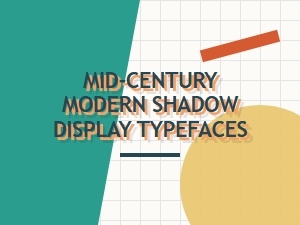 Mid-Century Modern Fonts for Evocative Shadow Displays
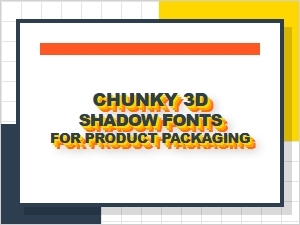 Chunky 3d Shadow Fonts for Premium Packaging
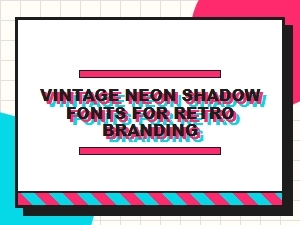 Premium Neon Fonts for Retro Branding
 A Guide to Free Shadow Fonts for Personal Projects
 Discover Free Shadow Display Fonts for Personal Projects
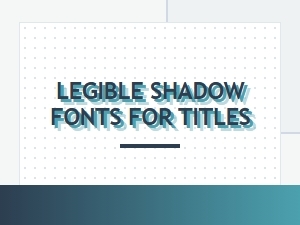 Legible Shadow Fonts for Eye-Catching Titles