Designers often search for typefaces that carry visual weight without needing extra effects in software. Historical shadow font revival styles offer built-in depth. They mimic older printing techniques where shadows were carved or drawn by hand to make letters stand out. This approach saves time during layout and adds immediate character to a project.
What defines a shadow font revival?
These typefaces are modern digital files inspired by vintage lettering. Unlike standard fonts, they include pre-drawn shadows or 3D effects within the glyph itself. This style references this specific category of typefaces found in old signage and print ads. The goal is to recreate the look of hand-painted signs or letterpress printing where ink spread created natural depth.
When should you use vintage shadow typography?
You should pick these styles when you need strong hierarchy in a design. They work well for headlines that need to grab attention quickly. Brands selling artisanal goods often use them to suggest quality and tradition. For example, high-end product labels benefit from the extra dimension these letters provide. The shadow implies substance, which aligns with premium positioning.
Which typefaces fit the mid-century aesthetic?
Certain designs lean heavily into the 1950s and 60s vibe. If you are working on mid-century design projects, look for geometric shapes with hard edges. Fonts like Vintage Shadow capture this era well. Another option is Retro Deco, which mixes art deco curves with heavy shading. You can read more about the shadow type history to understand the origins.
What mistakes ruin the effect?
Legibility is the most common issue. Heavy shadows can make letters blend together if the size is too small. Avoid using these fonts for body text or long paragraphs. Another error is mismatching the era. A Victorian shadow font might look wrong on a modern tech website. Keep the context in mind before selecting a typeface.
How do you pair these fonts?
Simple pairings work best. Since the shadow font is loud, pair it with a clean sans-serif for supporting text. Do not add drop shadows in your design software on top of the font. The effect is already built-in. Adding more creates a muddy look. Keep the background clean to let the typography breathe.
Quick Checklist for Using Shadow Fonts
- Check legibility at your intended size.
- Ensure the era matches your brand voice.
- Avoid adding extra effects in software.
- Pair with simple, neutral typefaces.
- Use for headlines, not body copy.
 Cast Shadows: Vintage Fonts for Antique Branding
 Luxury Packaging Inspired by Vintage Shadow Fonts
 Mastering Shadow Lettering for Vintage Signage Fonts
 A Post-War Era Vintage Shadow Typeface Compendium
 A Guide to Free Shadow Fonts for Personal Projects
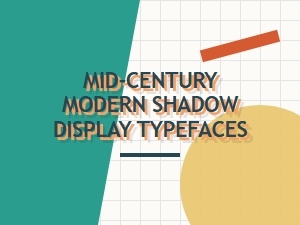 Mid-Century Modern Fonts for Evocative Shadow Displays