Building an antique brand identity requires more than just sepia filters or distressed textures. The typography must carry the same weight and history as the visual elements. Shadow fonts provide depth that flat text cannot achieve, mimicking the hand-painted signs and printed ephemera of the past. This depth signals legitimacy and heritage to customers immediately.
When you select a typeface with built-in shadows or inline details, you reduce the need for heavy post-processing effects. This keeps your logo scalable and clean across different media. The right choice balances readability with the nostalgic feel your audience expects from a heritage brand.
What defines a shadow font in vintage design?
In this context, a shadow font refers to letterforms that include dimensional effects as part of the character design. These effects often mimic the lighting techniques used in Victorian advertising or early 20th-century packaging. You might see inline shadows, where a line runs through the letter, or drop shadows that create a 3D illusion.
These styles differ from modern drop shadow effects added in software. Native shadow fonts maintain consistent stroke widths and spacing designed for the effect. This ensures the text remains legible even at smaller sizes. For a deeper understanding of historical letterforms, you can review resources on typeface history to see how structural changes influenced readability over time.
When should you choose shadowed typography?
Use these fonts when your brand story relies on tradition, craftsmanship, or longevity. They work well for breweries, barbershops, artisanal food products, and heritage clothing lines. The visual weight commands attention on shelves crowded with minimalist competitors.
If you are designing physical assets, these typefaces shine on embossed materials or metallic foils. When exploring styles used in retro signage, you will notice how depth helps text stand out against complex backgrounds. This same principle applies to digital headers that need to feel substantial without using heavy images.
Where does this typography fit in packaging?
Product boxes and labels benefit from the texture that shadowed letters provide. The illusion of depth can make a flat label appear more premium. This is particularly effective for vintage typography for luxury packaging where tactile quality matters.
Consider how the light hits the package in a retail setting. A font like Victorian Shadow can simulate the look of engraved printing plates. This adds perceived value to the product before the customer even touches it. Ensure the contrast remains high enough for barcode scanners and ingredient lists.
Common mistakes to avoid with antique lettering
Designers often overdo the effects, making the text hard to read. If the shadow is too dark or complex, the letterforms disappear. Keep the background simple to let the typography do the work. Avoid using too many decorative elements around the text, as this creates visual noise.
Another error is mixing too many vintage styles. Pair a shadowed display font with a simple sans-serif for body copy. This creates hierarchy and prevents the design from looking like a costume. You can find balanced examples in our resources for antique identity to see how professionals pair these elements.
How to select the right typeface for your project
Start by defining the specific era you want to evoke. The 1800s used heavy slab serifs with inline details, while the 1950s favored smoother, rounded shadows. Match the font to the historical period of your brand story. A font like Old Style Display might fit a general heritage look, but specific eras need specific cuts.
Test the font at various sizes before committing. What looks detailed on a screen might look muddy on a business card. Print samples on the actual material you plan to use. Ink spread on paper can fill in small shadow details, ruining the effect.
Quick checklist for your next design
- Verify legibility at small sizes on mobile screens.
- Ensure high contrast between the text and background color.
- Limit decorative shadows to headlines and logos only.
- Pair complex display fonts with simple body text.
- Print a physical proof to check ink coverage and detail retention.
 Reviving the Shadows of Historical Typography
 Luxury Packaging Inspired by Vintage Shadow Fonts
 Mastering Shadow Lettering for Vintage Signage Fonts
 A Post-War Era Vintage Shadow Typeface Compendium
 A Guide to Free Shadow Fonts for Personal Projects
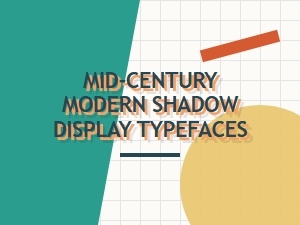 Mid-Century Modern Fonts for Evocative Shadow Displays